
Terpene Field Guide

Terpinolene

ter-PIN-uh-leen · the defining terpene in haze strains

Floral, fruity, layered. The reason a haze smells like a haze.

Aroma and sensory

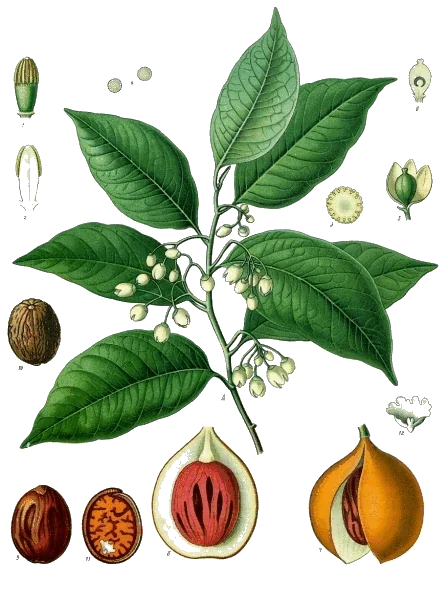
If a strain smells like fresh apple skin, lilac in bloom, nutmeg, tea tree, or pine forest tinged with citrus, you are smelling terpinolene. It is layered. It is bright. It is the terpene that makes a sativa smell complicated in a good way.

lilac apple nutmeg tea tree

It is also abundant in lilac, apples, nutmeg, cumin, tea tree oil, and conifers. The fragrance industry uses it heavily — the "fresh" note in many soaps and shampoos is largely terpinolene. Most of what people call "haze" in cannabis is partly terpinolene. Snap an apple stem, you smell it. Crush a lilac bloom, you smell it. Once you can name it, you start to recognize the haze in haze strains.

What it tends to do

Terpinolene is one of the least-studied major terpenes in cannabis, despite being the defining note in haze. We say that directly because the patient-marketing version of terpinolene — "energizing, uplifting, cerebral lift" — is not really supported by the human evidence. Most of what is repeated about terpinolene's effects comes from inference and user reports, not from controlled studies.

Where the animal evidence does point, interestingly, is toward mild sedation at meaningful doses (Ito & Ito 2013). That is the opposite of the energizing reputation. What patients reliably report is the sensory experience: a fragrant, layered, almost perfumed quality that makes terpinolene-led hazes feel distinct from other sativas. The aromatic complexity is real. The effects story is less settled than the marketing makes it sound.

Strains where it tends to dominate

These are well-known terpinolene-leading strains. Real batches vary, so always check the label or the Terpenology scan for the actual percentage. Treat this as the starting line, not the finish line.

Jack Herer

The canonical haze flagship

Ghost Train Haze

Heavy haze sativa

XJ-13

Citrus-pine haze hybrid

Pineapple Express

Tropical-haze classic

Golden Goat

Sweet-tropical haze

Chernobyl

Citrus-haze sativa

Plays well with

Worth knowing

Well-established

Terpinolene is found abundantly in lilac, apples, nutmeg, cumin, tea tree, and conifers. The fragrance industry uses it heavily, which is part of why terpinolene-led cannabis often reads as "perfumed" rather than "weed-y."

Well-established

Animal studies show antioxidant and antibacterial properties for terpinolene, and one mouse inhalation study (Ito & Ito 2013) showed mild sedative effects rather than the energizing effect terpinolene is popularly associated with. Direct human evidence is essentially absent, which is part of why patient reports vary so widely.

Emerging

Terpinolene is one of the least-studied major terpenes despite being the defining note in haze strains. Most of what is known about its cannabis effects comes from user reports rather than controlled human research.

Anecdotal

Patients describe terpinolene strains as "the ones that don't feel like the others." Whether the layered sensory experience is pharmacology, the sheer aromatic complexity, or both is hard to separate cleanly. The pattern is consistent enough among haze fans to take seriously.

For anything specific to your situation — a medical condition, a medication you are on, the right dose for what you are managing — your dispensary pharmacist is the person to ask. They know cannabis medicine and they know your full picture. This page is information, not advice.