
Terpene Field Guide

Camphene

KAM-feen · the camphor tree terpene

Piney, musky, medicinal. The terpene that smells like a forest floor after rain.

Aroma and sensory

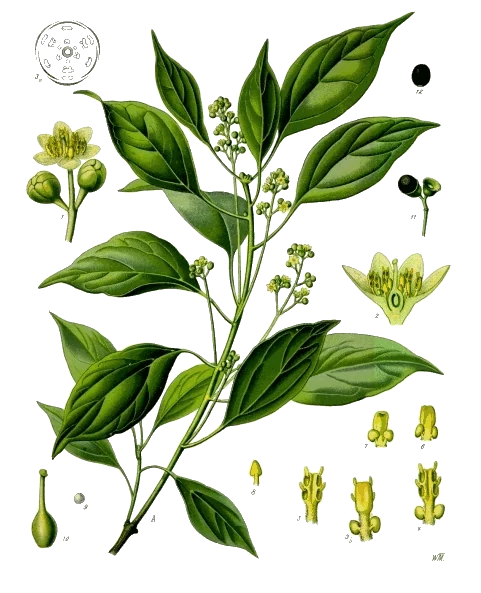
Damp earth, pine needles, camphor, musky wood. If a strain smells like you just walked into a dense forest after a rainstorm, camphene is part of that. It is also found in camphor trees, nutmeg, rosemary, and sage. The nose on this one is old and familiar, the kind of scent that people have been breathing in for thousands of years without needing to name it.

camphor pine musky earthy woody

If you have ever crushed a rosemary sprig between your fingers and gotten that sharp, clean, almost medicinal hit underneath the herb, that is camphene contributing. It is not a sweet terpene. It is not a bright one. It sits in the lower register, grounding and forest-like, the kind of aroma that makes a room smell like it has a fireplace and a bookshelf even when it does not.

What it tends to do

Anti-inflammatory, antioxidant, and cardiovascular-protective. Camphene is one of the more medically interesting terpenes that most patients have never heard of. Research into its effect on cholesterol and lipid levels is the most unique angle. No other common cannabis terpene has that particular line of study attached to it.

It is not sedating and not particularly stimulating. It reads as neutral and functional, the kind of terpene that does work in the background without announcing itself. You will not feel camphene the way you feel myrcene or limonene. But if you are choosing between two strains and one has measurable camphene on the panel, that is worth noticing, especially if inflammation or oxidative stress is part of your picture.

Shows up on PA labels at small but measurable percentages, usually 0.01-0.1%. Like bisabolol, it is a meaningful minor. A little goes further than the number suggests.

Strains where it tends to show up

Camphene tends to ride along with other earthy, piney terpenes rather than leading a profile on its own. These are strains where it has been reported at measurable levels often enough to be worth knowing. Real batches vary, so always check the label or the Terpenology scan for the actual percentage.

OG Kush

Hybrid, complex terpene profile

Ghost OG

Indica-leaning, earthy

Strawberry Banana

Hybrid, fruity-earthy

Mendocino Purps

Indica-leaning, woodsy

White Widow

Hybrid, classic

Cheese

Indica-leaning, unique

Plays well with

  • Pinene. Two forest terpenes together. The "walk in the woods" pairing. Both lean respiratory and anti-inflammatory without sedation. If you want clear-headed relief that smells like the outdoors, this is the combination to look for.
  • Humulene. Earthy on earthy. Both anti-inflammatory, both grounding. The pairing for patients who like herbal, hoppy, woodsy profiles. Neither one is flashy, and that is the point.
  • Caryophyllene. Camphene for antioxidant and lipid effects, caryophyllene for direct CB2 anti-inflammatory action. A body-medicine stack. Two terpenes working different pathways toward the same general goal of calming things down.
  • Myrcene. Camphene keeps things functional while myrcene deepens the body relaxation. Useful for evening wind-down without the heavy sedation of myrcene-dominant strains. The camphene holds a floor so the myrcene does not take you all the way under.

Worth knowing

Well-established

Camphene is a major component of camphor oil, which has been used in traditional medicine across Asia for centuries. It is also present in many essential oils used in aromatherapy. If you have ever used a chest rub or a muscle balm with that sharp, clean, vaguely medicinal smell, camphene was part of what you were breathing in.

Emerging

Animal studies show camphene can lower cholesterol and triglyceride levels in blood plasma. This lipid-lowering effect is unique among common terpenes and has attracted interest from cardiovascular researchers. No other terpene on a typical cannabis panel has this particular line of evidence behind it.

Emerging

Antioxidant properties are well-documented in cell studies. Camphene appears to reduce oxidative stress markers, which connects to its potential role in cardiovascular and neuroprotective contexts. The research is preclinical, but the signal is consistent and the mechanism makes biological sense.

Anecdotal

Patients who prefer earthy, piney, old-school strains (OG lineage, Afghani crosses) are often getting meaningful camphene exposure without knowing it. The terpene rarely leads a profile but contributes to the depth and complexity of those classic scent signatures. If you have ever wondered why certain strains just smell "deeper" than others, camphene is part of that answer.

For anything specific to your situation (a medical condition, a medication you are on, the right dose for what you are managing), your dispensary pharmacist is the person to ask. They know cannabis medicine and they know your full picture. This page is information, not advice.