
Terpene Field Guide
bis-uh-BO-lol · the active compound in chamomile
Soft, floral, soothing. The terpene that makes chamomile feel like chamomile.
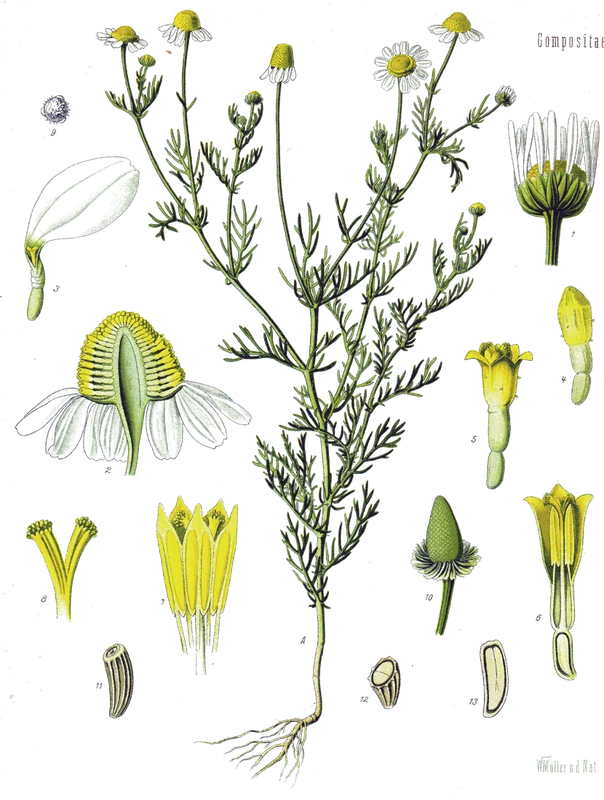
If a strain smells like chamomile tea, fresh honey, soft floral linens, or the dried petals at the bottom of a tea tin, you are smelling bisabolol. It is gentle. It is sweet. It is the terpene most likely to read as quiet rather than loud, even when it is doing real work in the background.
It is the primary active compound in chamomile, particularly German chamomile, and it shows up in the candeia tree of Brazil, in some sage species, and trace amounts in many medicinal plants used for soothing. If chamomile tea has ever taken the edge off a stomach or a rough evening for you, bisabolol is part of why. Once you can name it on a cannabis terpene panel, you start noticing it on the back of skin care bottles and herbal teas too.
Bisabolol is the terpene most associated with the quiet anti-inflammatory side of cannabis. It is not the rise of limonene. It is not the floor of myrcene. It is closer to the soft, easeful register of linalool, but with a stronger lean toward physical soothing than emotional quieting. Users commonly reach for bisabolol-containing strains when the goal is recovery, easing inflammation, or gentle daily medicine that does not announce itself.
It is unusual among cannabis terpenes in that it rarely shows up in high percentages. A strain that reads 1.5% myrcene might read 0.05% bisabolol on the same panel. That is normal. Bisabolol does its work at low doses, the way chamomile does. Even a small measurable amount on the panel is worth noticing, especially if your reason for using cannabis touches inflammation, gut, or skin.
Bisabolol is more often a meaningful minor than a lead terpene. These are strains where it has been reported at measurable levels often enough to be worth knowing. Real batches vary, so always check the label or the Terpenology scan for the actual percentage. Treat this as the starting line, not the finish line.
ACDC
High-CBD, gentle, bisabolol-friendly
Harle-Tsu
High-CBD relative of ACDC
Pink Kush
Soft floral indica leaning
Master Kush
Classic indica with floral notes
OG Shark
Medical-favored hybrid
Headband
Bisabolol shows up alongside humulene
Bisabolol is one of the longest-studied terpenes in cosmetics and skin care. It has been used in topical products for over fifty years for its anti-inflammatory, antimicrobial, and skin-soothing properties. If you have used aloe-based or chamomile-based skin products, you have likely been using bisabolol.
Chamomile tea's traditional reputation as a calming, digestive-soothing drink is largely bisabolol pharmacology. The compound shows anti-inflammatory action in the gastrointestinal tract in animal and cell studies, and it has been studied in ulcer-protection models.
Bisabolol is being studied for protective effects on gut tissue in inflammatory bowel models. Animal studies show reduced markers of inflammation in the colon when bisabolol is present. The work is preclinical, not clinical, but the signal is consistent enough to take seriously for patients managing IBD-adjacent conditions.
In medical cannabis communities, patients managing inflammatory conditions often report better outcomes from strains with measurable bisabolol than from terpene-poor profiles, even when the bisabolol percentage looks small on paper. The pattern is not rigorous evidence, but it shows up consistently enough that lab panels with bisabolol on them are worth a second look.